

The Versatile World of Silicone Caulking: Applications and Benefits

2025/06/18
Silicone caulking, a type of sealant made from silicone polymers, is renowned for its flexibility, durability, and resistance to various environmental factors. It is a non-toxic, waterproof, and UV-stable material that offers superior adhesion to a wide range of substrates, including glass, metal, ceramic, and plastic. These properties make silicone caulking an ideal solution for numerous applications across various sectors, including construction, automotive, and electronics.
One of the primary advantages of silicone caulking is its flexibility. Once cured, it can tolerate significant movement and expansion, making it particularly useful in areas subject to temperature fluctuations. This characteristic is crucial for ensuring long-lasting seals in windows, doors, and roofs, where thermal expansion and contraction can lead to leaks if not properly addressed.
Moreover, silicone caulking exhibits excellent weather resistance, allowing it to withstand harsh outdoor conditions such as rain, snow, and extreme temperatures. This durability not only extends the lifespan of the seal but also reduces the need for frequent maintenance and reapplication, ultimately saving time and resources for both manufacturers and end-users.
In addition to its mechanical properties, silicone caulking also provides superior adhesion. It bonds effectively to a variety of surfaces without the need for primers, which can simplify the application process. This feature is particularly beneficial in industrial settings where time efficiency is crucial.
From a chemical standpoint, silicone caulking is inert, meaning it does not react with most substances, making it suitable for sensitive applications. This property opens doors for silicone caulking in areas such as food processing and pharmaceuticals, where contamination must be strictly avoided.
Despite its many advantages, it is essential for professionals to consider the appropriate formulation of silicone caulking for specific applications. There are various types available, including acetoxy, neutral cure, and low-modulus formulations, each catering to different environmental conditions and substrate compatibilities. Understanding these distinctions can enhance performance and ensure optimal results.
In conclusion, silicone caulking represents a versatile and effective solution for sealing and bonding needs across various industries. With its unique properties and broad range of applications, it stands as a reliable choice for professionals seeking high-performance sealants. Emphasizing the importance of selecting the right type and application method can further enhance the benefits of silicone caulking in any project.
silicone caulking
Recent News
Apr 03,2025
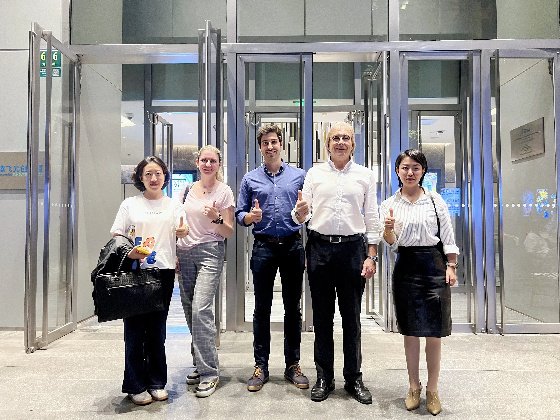
British Buyers Visit Pengda's Guangzhou Factory
Mar 28,2025

Pengda Group President Attends Vietnam Annual Meeting to Explore Future Cooperation
Feb 04,2025
Jan 15,2025
Contact Us
Tel: +86-13393128877
E-mail: amy.ma@pengdagroup.com
Add: Room 1906, Building A2, Wisdom Valley, Baoding, Hebei, China
We Support Customization
