

Eco-Friendly and Safe: Understanding the Composition of Silicone Caulking

2026/07/23
Eco-Friendly and Safe: Understanding the Composition of Silicone Caulking
Table of Contents
1. Introduction to Silicone Caulking
2. The Composition of Silicone Caulking
2.1 What Are the Main Ingredients?
2.2 The Role of Additives in Silicone Caulking
3. How Silicone Caulking Is Made
4. Benefits of Using Silicone Caulking
4.1 Eco-Friendly Properties
4.2 Health and Safety Advantages
5. Applications of Silicone Caulking
6. Comparing Silicone Caulking to Other Sealants
7. Frequently Asked Questions (FAQs)
8. Conclusion
1. Introduction to Silicone Caulking
Silicone caulking has gained widespread popularity in construction, home improvement, and various industrial applications. As a versatile sealant, it provides a superior solution for sealing, bonding, and protecting surfaces. With increasing awareness of environmental issues and a focus on health and safety, understanding the composition of silicone caulking is essential for making informed choices. In this article, we will delve deep into the characteristics, advantages, and applications of silicone caulking, offering insights into why it is an excellent option for eco-conscious consumers.
2. The Composition of Silicone Caulking
Silicone caulking is primarily composed of silicone polymers, which are derived from silicon, oxygen, carbon, and hydrogen. This unique composition grants silicone caulking its exceptional flexibility, durability, and resistance to extreme temperatures and weather conditions.
2.1 What Are the Main Ingredients?
The core ingredients of silicone caulking include:
- **Silicone Polymers**: These provide the primary structure and performance characteristics of the caulk. They are responsible for the adhesive properties and flexibility.
- **Fillers**: Common fillers, such as silica, enhance the strength and durability of the caulking while reducing costs.
- **Additives**: Various additives may be included to improve specific properties, such as UV resistance, mold inhibition, or curing speed. These can include fungicides, pigments, and accelerators.
2.2 The Role of Additives in Silicone Caulking
Additives play a crucial role in tailoring the performance of silicone caulking. For instance, the inclusion of anti-fungal agents prevents mold growth in damp environments, making silicone caulking suitable for bathrooms and kitchens. Pigments can be added to match the color of surrounding surfaces or to enhance aesthetic appeal. Additionally, accelerators can speed up curing times, making the application process more efficient.
3. How Silicone Caulking Is Made
The production of silicone caulking involves several steps, including polymerization and formulation. During polymerization, silicone monomers undergo chemical reactions to form a long-chain polymer. This polymer is then combined with fillers and additives to create a specific formulation tailored to its intended use. After thorough mixing, the caulking is packaged for distribution. This manufacturing process ensures that the final product maintains consistent quality and performance standards, essential for consumer trust.
4. Benefits of Using Silicone Caulking
Silicone caulking offers numerous advantages that make it a preferred choice for many applications.
4.1 Eco-Friendly Properties
One of the standout features of silicone caulking is its eco-friendliness. Unlike traditional sealants that may contain harmful VOCs (volatile organic compounds), many silicone caulks are formulated to be low in VOCs, minimizing environmental impact. Additionally, silicone is inherently resistant to degradation, making it a durable choice that reduces the frequency of replacements and waste.
4.2 Health and Safety Advantages
Silicone caulking is non-toxic and safe for indoor use, providing peace of mind for families and pets. Its resistance to mold and mildew growth contributes to healthier indoor air quality, making it an ideal choice for sealing areas prone to moisture, such as bathrooms, kitchens, and basements.
5. Applications of Silicone Caulking
The versatility of silicone caulking allows it to be used in a wide range of applications, including:
- **Construction and Home Improvement**: Sealing windows, doors, and joints to prevent air and water leaks.
- **Automotive**: Used for sealing and bonding parts in vehicles to ensure durability and weather resistance.
- **Electronics**: Protecting electronic components from moisture and dust while ensuring flexibility.
- **HVAC**: Sealing ducts and components to improve energy efficiency and performance.
6. Comparing Silicone Caulking to Other Sealants
When evaluating sealant options, it's essential to compare silicone caulking with other alternatives such as latex or polyurethane sealants.
- **Silicone vs. Latex**: While latex caulks are easier to clean and paint over, they typically do not offer the same level of flexibility or durability as silicone. Moreover, latex options may contain more VOCs, making them less suitable for eco-conscious consumers.
- **Silicone vs. Polyurethane**: Polyurethane sealants are known for their strong adhesion and resilience; however, they may contain more toxic components and often require more robust safety measures during application. In contrast, silicone caulking remains a safer, environmentally friendly option.
7. Frequently Asked Questions (FAQs)
Q1: Is silicone caulking eco-friendly?
A1: Yes, many silicone caulks are formulated to be low in VOCs, making them a safer and more environmentally friendly option compared to traditional sealants.
Q2: Can silicone caulking be used outdoors?
A2: Absolutely! Silicone caulking is highly resistant to weather conditions, making it suitable for outdoor applications such as sealing windows and doors.
Q3: How long does silicone caulking last?
A3: When applied correctly, silicone caulking can last for many years—often up to 20 years or more—depending on the conditions and the specific product used.
Q4: Is silicone caulking safe for indoor use?
A4: Yes, silicone caulking is generally non-toxic and safe for indoor use, making it an ideal choice for sealing around kitchens and bathrooms.
Q5: How should silicone caulking be applied?
A5: Clean and dry the surface before application, cut the nozzle at a 45-degree angle, and apply the caulking evenly. Smooth the bead with a caulking tool or your finger for a neat finish.
8. Conclusion
In conclusion, silicone caulking stands out as an eco-friendly and safe choice for a variety of applications. Its unique composition, which includes silicone polymers and carefully selected additives, offers exceptional flexibility, durability, and resistance to environmental factors. Furthermore, the reduced presence of harmful VOCs makes silicone caulking a responsible choice for environmentally conscious consumers. Whether you are sealing windows, preventing moisture damage, or ensuring the longevity of structures, silicone caulking provides an effective solution that prioritizes safety and sustainability. As we move towards a greener future, understanding and utilizing eco-friendly materials like silicone caulking will contribute to a healthier planet.
silicone caulking
Recent News
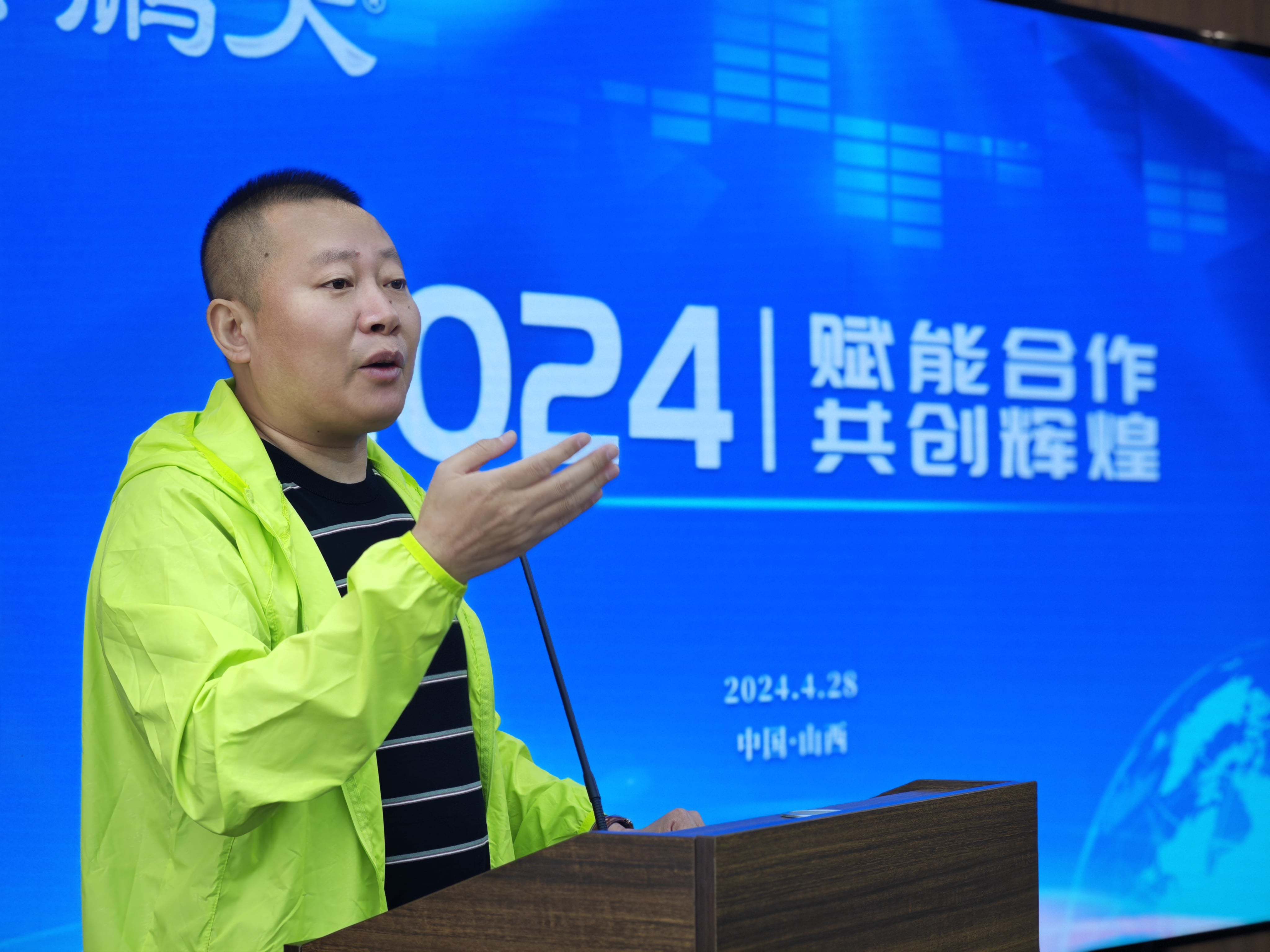
As a leading enterprise in the domestic adhesive industry, Pengda Group, with its large-scale layout of 9 production bases and the collaborative efforts of more than 1800 employees, has exported its products to more than 30 countries and regions around the world. In the fierce market competition, the company has always adhered to the core cultural concept of "innovation, responsibility, and win-win", deeply integrating technological breakthroughs with humanistic care, and creating a business card that combines international competitiveness and warmth.
Apr 03,2025
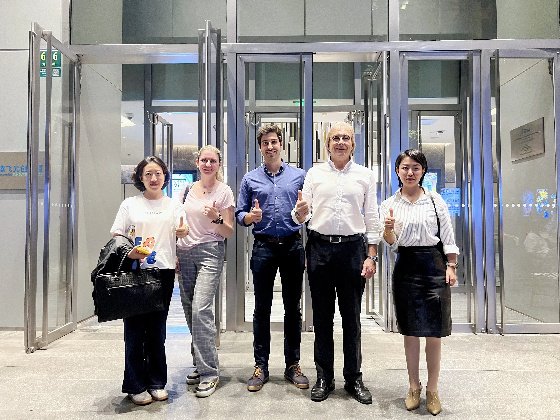
British Buyers Visit Pengda's Guangzhou Factory
Recently, British buyers arrived in Guangzhou to visit local factories. During the visit, the purchaser went deep into the workshop to understand the whole process of the product from raw material input to finished product output, and was deeply impressed by the advanced production equipment, mature process technology and strict quality control of the Guangzhou factory.
The two sides also exchanged views on product features, market demand and cooperation models. This visit has built a bridge of communication between China and the UK, which is expected to further expand the space of trade cooperation and promote Pengda Group to a broader international market.
Mar 28,2025
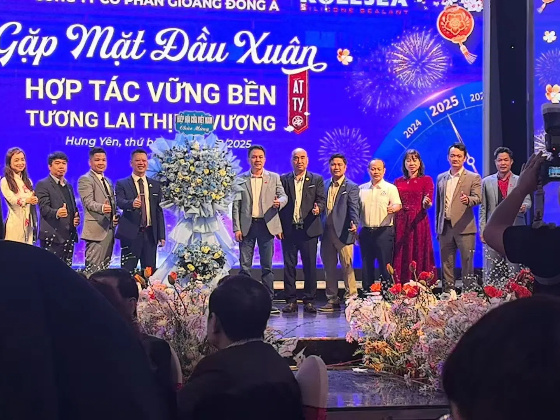
Pengda Group President Attends Vietnam Annual Meeting to Explore Future Cooperation
General Manager Luo of Pengda Group attended the annual meeting in Vietnam. At the annual meeting, Mr. Luo had in-depth exchanges with many guests. As a professional manufacturer of silicone sealants, Pengda Group has a considerable influence in the industry with its advanced technology and reliable quality. Mr. Luo's participation in this event aims to enhance cooperation with local enterprises in Vietnam and expand the international market. General Manager Luo shared the development achievements and plans of the group and expressed the expectation of deepening cooperation and achieving a win-win situation. This attendance demonstrates Pengda Group's determination to internationalize its layout and is expected to drive the group to achieve new breakthroughs in overseas markets, injecting new impetus into exchanges and cooperation in related industries between China and Vietnam.
Feb 04,2025
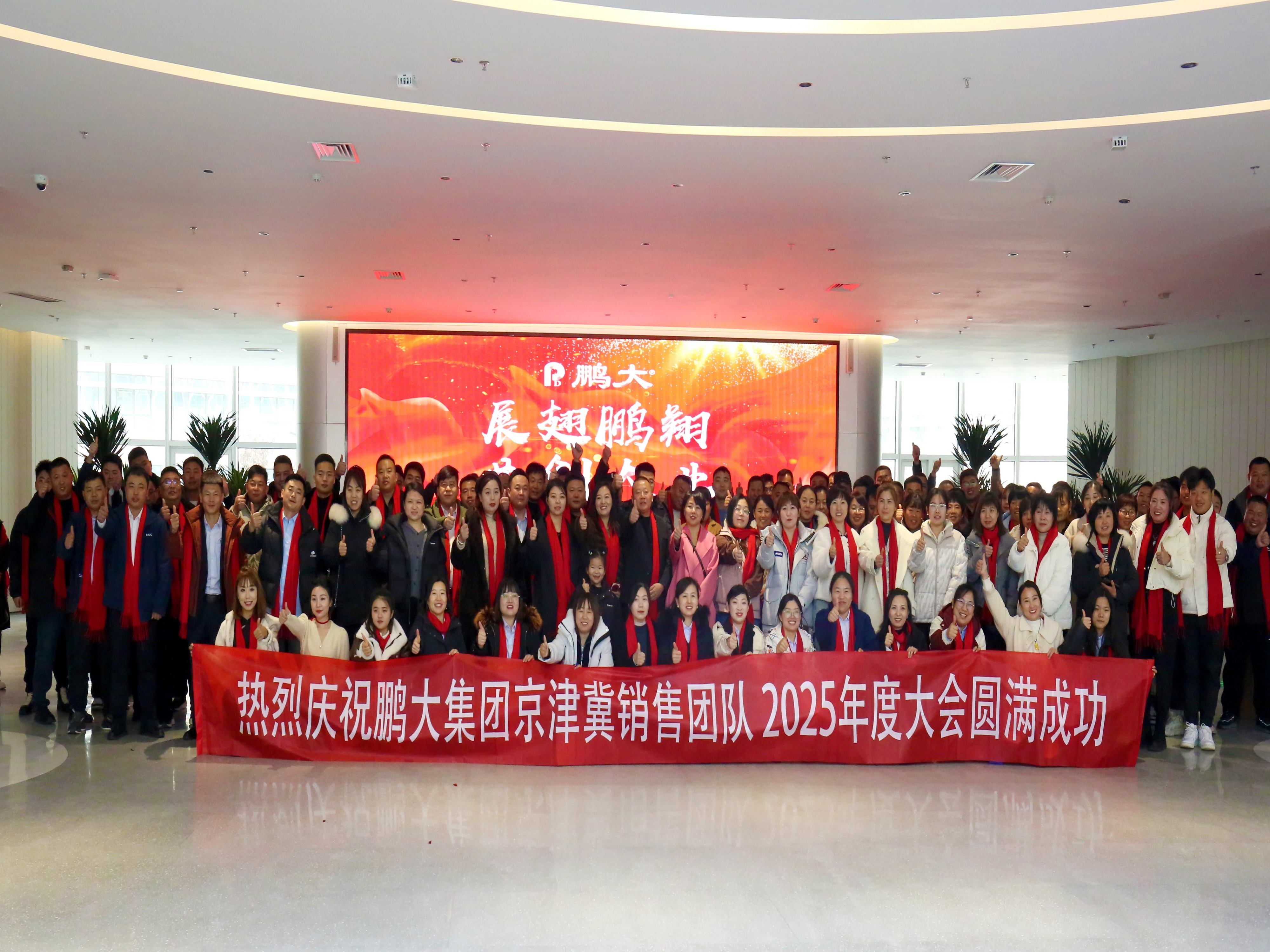
On January 18, 2025, the Pengda Group's annual conference with the theme of "Joining Hands and Starting a New Chapter Together" was grandly held at the [City] International Convention Center. More than 1800 employee representatives, partners, and industry guests from 9 global production bases gathered together to review the brilliant achievements of 2024 and look forward to the strategic blueprint for 2025. This year's conference created an audio-visual feast that blends technology and humanistic warmth through the form of "offline ceremony+global live broadcast".
Jan 15,2025
Contact Us
Tel: +86-13393128877
E-mail: amy.ma@pengdagroup.com
Add: Room 1906, Building A2, Wisdom Valley, Baoding, Hebei, China
We Support Customization
