

Understanding Adhesive Sealants: Essential Insights for Industrial Applications

2026/06/11
Adhesive sealants are specialized materials designed to create a strong bond between surfaces while providing a seal against moisture, air, and contaminants. They are widely used in industrial applications due to their versatility, durability, and ease of use. Unlike traditional sealants, adhesive sealants not only fill gaps but also bond materials together, making them ideal for applications where both bonding and sealing are required.
One of the key advantages of adhesive sealants is their ability to adhere to a wide variety of substrates, including metals, plastics, glass, and composites. This adaptability makes them suitable for diverse applications, from automotive manufacturing to electronics assembly. In many cases, adhesive sealants can replace mechanical fasteners, offering a more streamlined and aesthetically pleasing solution.
The properties of adhesive sealants can vary significantly depending on their chemical composition. Common types include silicone, polyurethane, and acrylic-based sealants. Silicone sealants are renowned for their flexibility and resistance to extreme temperatures, making them ideal for outdoor usage. Polyurethane sealants, on the other hand, offer superior bonding strength and are widely used in construction and automotive applications. Acrylic sealants typically provide quick curing times and are often employed in interior applications.
In industrial settings, the choice of adhesive sealant is critical to ensure performance and longevity. Factors such as temperature resistance, chemical exposure, and environmental conditions should be considered when selecting the appropriate sealant. For instance, if a sealant will be exposed to harsh chemicals, a polyurethane-based option may be more suitable due to its superior resistance to solvents and oils.
Another important consideration is the curing process. Adhesive sealants can cure through various mechanisms, including moisture curing, heat curing, and ultraviolet (UV) curing. Understanding the curing process is essential for ensuring optimal performance and adhesion strength.
When applying adhesive sealants, surface preparation is key. Proper cleaning and priming of surfaces can significantly enhance adhesion and sealing effectiveness. Additionally, following the manufacturer's guidelines regarding application thickness and curing times will help achieve the desired performance.
In summary, adhesive sealants are indispensable in industrial applications, providing robust solutions for bonding and sealing. By understanding the different types, properties, and application techniques, professionals can make informed decisions that enhance the durability and reliability of their products. Whether you're working in manufacturing, construction, or maintenance, knowledge of adhesive sealants is vital for successful operations.
adhesive sealant
Recent News
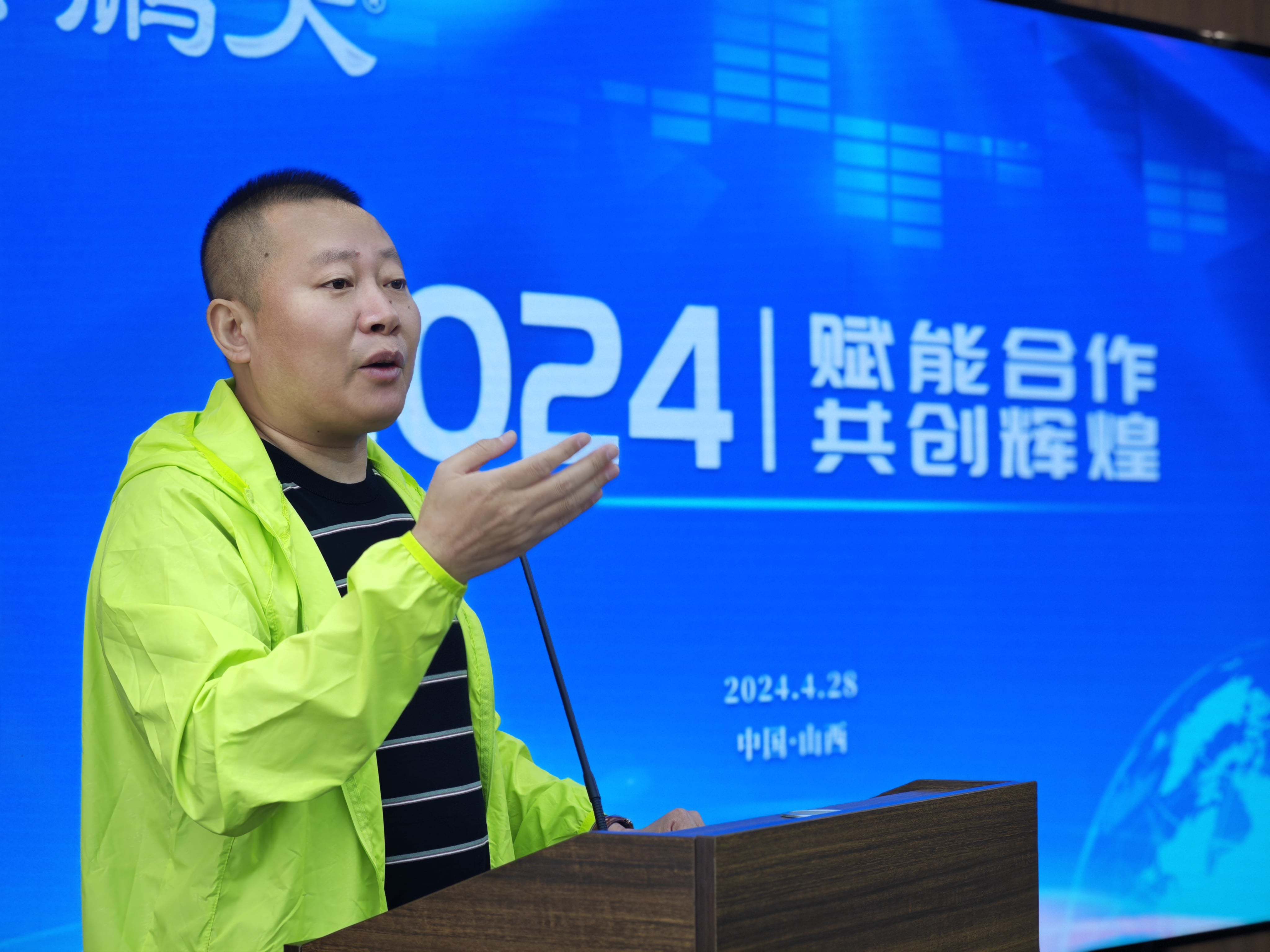
As a leading enterprise in the domestic adhesive industry, Pengda Group, with its large-scale layout of 9 production bases and the collaborative efforts of more than 1800 employees, has exported its products to more than 30 countries and regions around the world. In the fierce market competition, the company has always adhered to the core cultural concept of "innovation, responsibility, and win-win", deeply integrating technological breakthroughs with humanistic care, and creating a business card that combines international competitiveness and warmth.
Apr 03,2025
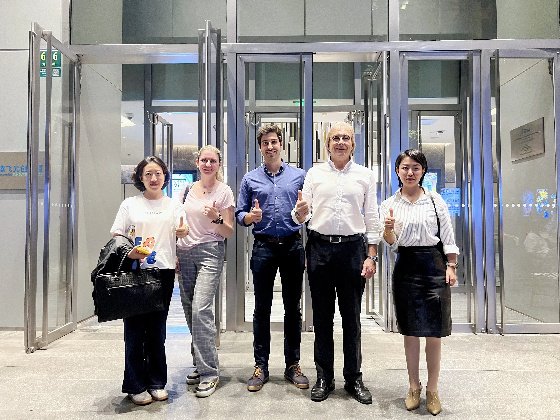
British Buyers Visit Pengda's Guangzhou Factory
Recently, British buyers arrived in Guangzhou to visit local factories. During the visit, the purchaser went deep into the workshop to understand the whole process of the product from raw material input to finished product output, and was deeply impressed by the advanced production equipment, mature process technology and strict quality control of the Guangzhou factory.
The two sides also exchanged views on product features, market demand and cooperation models. This visit has built a bridge of communication between China and the UK, which is expected to further expand the space of trade cooperation and promote Pengda Group to a broader international market.
Mar 28,2025
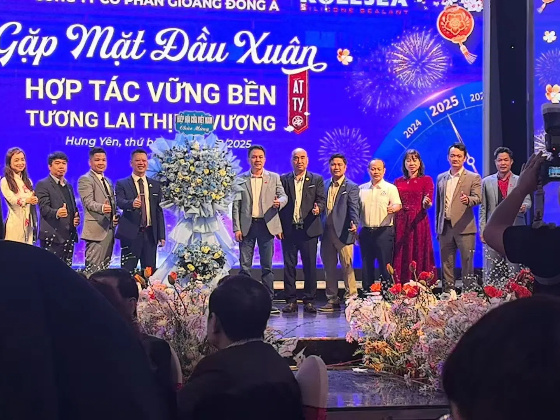
Pengda Group President Attends Vietnam Annual Meeting to Explore Future Cooperation
General Manager Luo of Pengda Group attended the annual meeting in Vietnam. At the annual meeting, Mr. Luo had in-depth exchanges with many guests. As a professional manufacturer of silicone sealants, Pengda Group has a considerable influence in the industry with its advanced technology and reliable quality. Mr. Luo's participation in this event aims to enhance cooperation with local enterprises in Vietnam and expand the international market. General Manager Luo shared the development achievements and plans of the group and expressed the expectation of deepening cooperation and achieving a win-win situation. This attendance demonstrates Pengda Group's determination to internationalize its layout and is expected to drive the group to achieve new breakthroughs in overseas markets, injecting new impetus into exchanges and cooperation in related industries between China and Vietnam.
Feb 04,2025
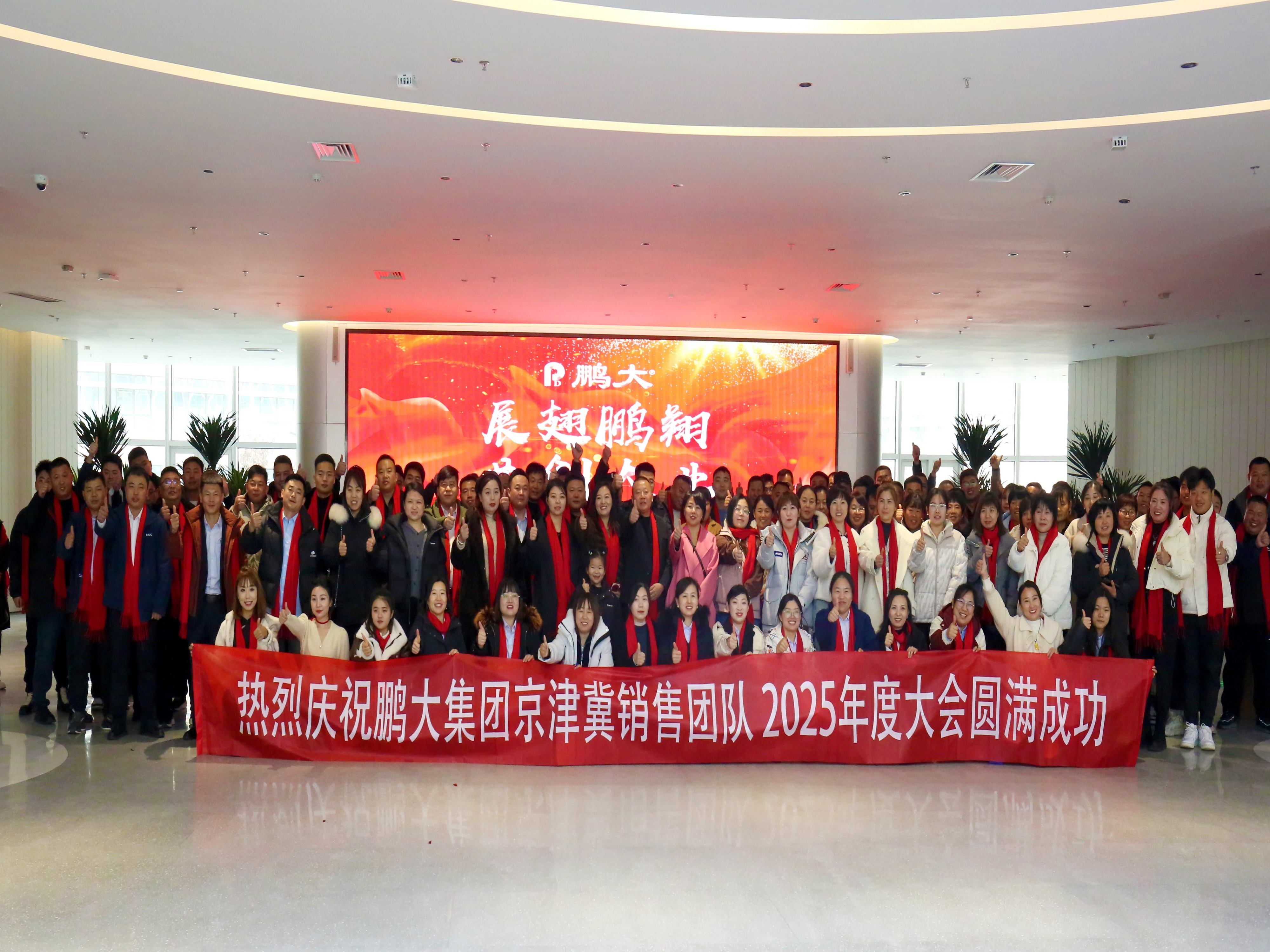
On January 18, 2025, the Pengda Group's annual conference with the theme of "Joining Hands and Starting a New Chapter Together" was grandly held at the [City] International Convention Center. More than 1800 employee representatives, partners, and industry guests from 9 global production bases gathered together to review the brilliant achievements of 2024 and look forward to the strategic blueprint for 2025. This year's conference created an audio-visual feast that blends technology and humanistic warmth through the form of "offline ceremony+global live broadcast".
Jan 15,2025
Contact Us
Tel: +86-13393128877
E-mail: amy.ma@pengdagroup.com
Add: Room 1906, Building A2, Wisdom Valley, Baoding, Hebei, China
We Support Customization
