

Understanding Acetic Silicone Sealant in Industrial Applications

2025/10/27
Acetic silicone sealant is a versatile and robust adhesive that plays a significant role in various industrial applications, particularly in the sealing of joints and gaps in different equipment and components. This type of sealant is known for its exceptional adhesion properties, making it a preferred choice for professionals in the field of industrial equipment and sealing solutions.
One of the primary characteristics of acetic silicone sealant is its ability to cure through the absorption of moisture from the air, leading to a durable and flexible bond. This feature is crucial in environments where temperature fluctuations and humidity levels can vary significantly, as it ensures that the sealant maintains its integrity over time. The curing process typically results in a clear or translucent finish, which can be aesthetically pleasing for applications that are visible.
In industrial settings, acetic silicone sealant is used extensively for sealing glass, metal, ceramics, and various building materials. Its resistance to aging, UV radiation, and extreme weather conditions makes it suitable for both indoor and outdoor applications. Moreover, the sealant exhibits excellent resistance to water, making it an ideal choice for sealing areas exposed to moisture, such as bathrooms, kitchens, and exterior windows.
Another vital aspect to consider is the temperature tolerance of acetic silicone sealant. It can withstand a wide range of temperatures, typically from -60°C to +180°C, making it effective in high-heat environments, such as kitchens and factories dealing with heavy machinery. This thermal stability ensures that the seal remains intact, even when exposed to varying degrees of heat and cold.
When it comes to application, using acetic silicone sealant is relatively straightforward. It can be applied using a caulking gun, and it is essential to ensure that the surfaces being sealed are clean and dry for optimal adhesion. Proper surface preparation will not only improve the bond strength but also enhance the longevity of the seal.
While acetic silicone sealant is incredibly effective, it is important to note that it should not be used in applications where it may come into contact with certain materials, such as natural stone or some types of metals, as the acid released during curing could potentially cause corrosion or discoloration.
In conclusion, acetic silicone sealant is a powerful tool in the industrial sealing arsenal, offering durability, flexibility, and excellent resistance to environmental challenges. Understanding its characteristics and proper application methods will enable professionals to make the most of this versatile sealing solution in various industrial contexts.
acetic silicone sealant
Recent News
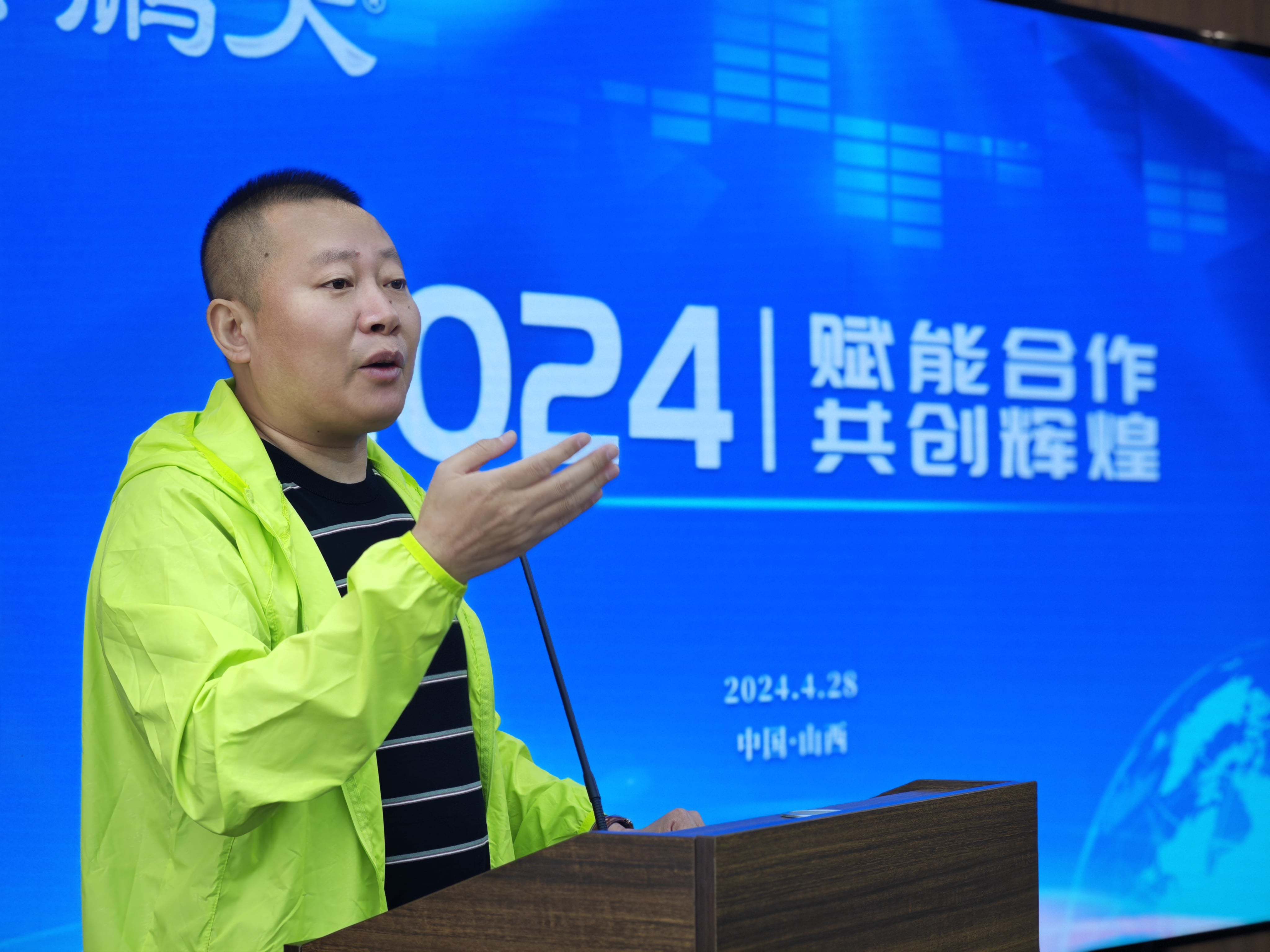
As a leading enterprise in the domestic adhesive industry, Pengda Group, with its large-scale layout of 9 production bases and the collaborative efforts of more than 1800 employees, has exported its products to more than 30 countries and regions around the world. In the fierce market competition, the company has always adhered to the core cultural concept of "innovation, responsibility, and win-win", deeply integrating technological breakthroughs with humanistic care, and creating a business card that combines international competitiveness and warmth.
Apr 03,2025
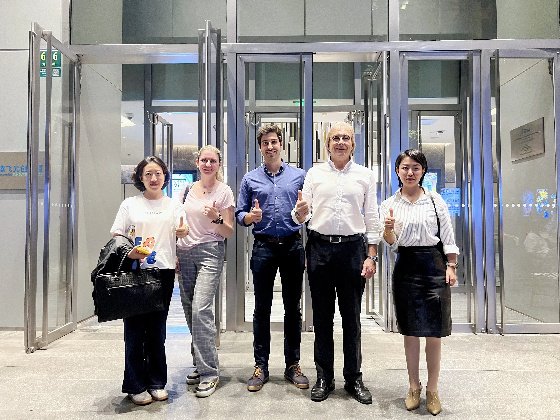
British Buyers Visit Pengda's Guangzhou Factory
Recently, British buyers arrived in Guangzhou to visit local factories. During the visit, the purchaser went deep into the workshop to understand the whole process of the product from raw material input to finished product output, and was deeply impressed by the advanced production equipment, mature process technology and strict quality control of the Guangzhou factory.
The two sides also exchanged views on product features, market demand and cooperation models. This visit has built a bridge of communication between China and the UK, which is expected to further expand the space of trade cooperation and promote Pengda Group to a broader international market.
Mar 28,2025

Pengda Group President Attends Vietnam Annual Meeting to Explore Future Cooperation
General Manager Luo of Pengda Group attended the annual meeting in Vietnam. At the annual meeting, Mr. Luo had in-depth exchanges with many guests. As a professional manufacturer of silicone sealants, Pengda Group has a considerable influence in the industry with its advanced technology and reliable quality. Mr. Luo's participation in this event aims to enhance cooperation with local enterprises in Vietnam and expand the international market. General Manager Luo shared the development achievements and plans of the group and expressed the expectation of deepening cooperation and achieving a win-win situation. This attendance demonstrates Pengda Group's determination to internationalize its layout and is expected to drive the group to achieve new breakthroughs in overseas markets, injecting new impetus into exchanges and cooperation in related industries between China and Vietnam.
Feb 04,2025
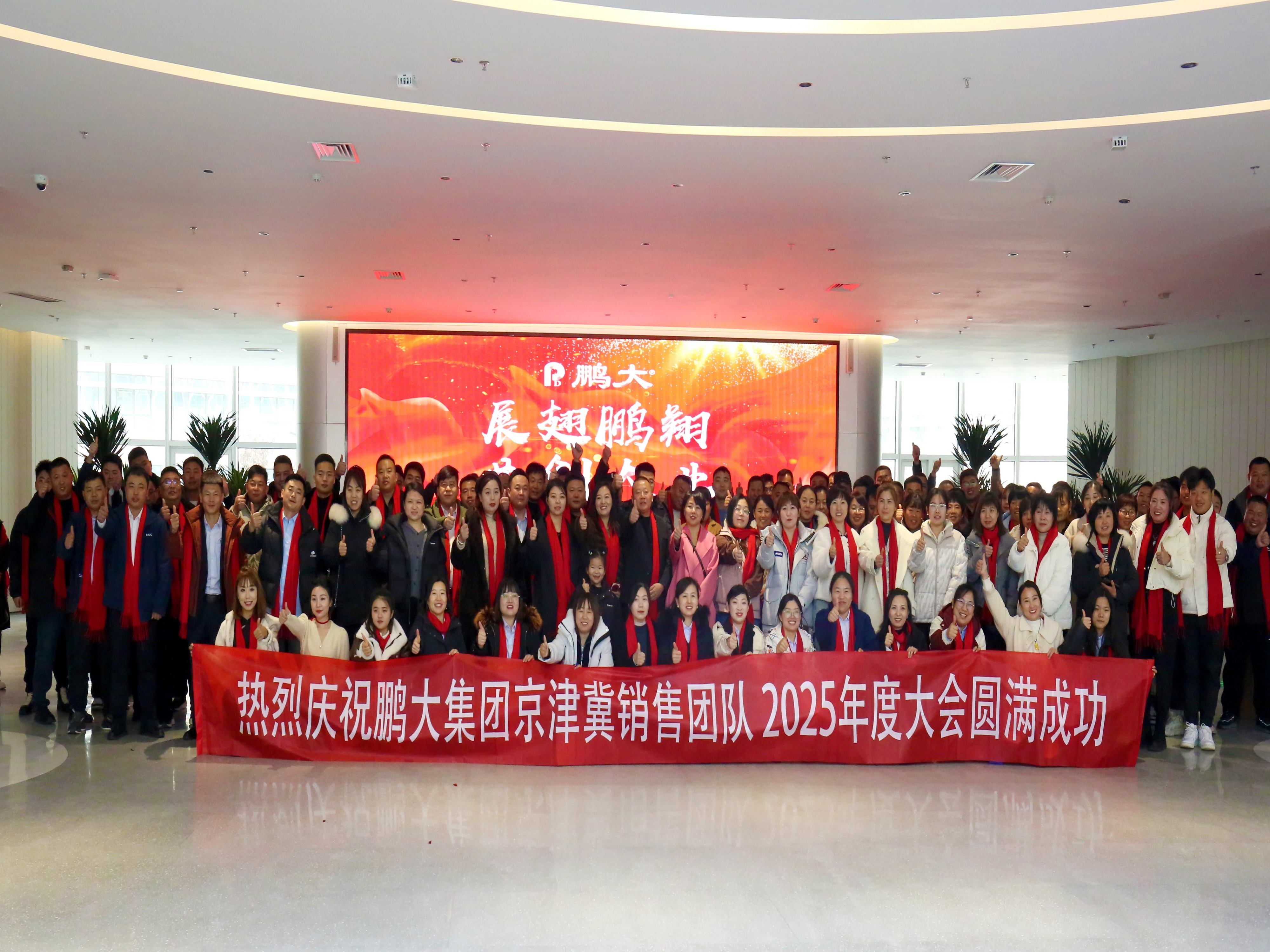
On January 18, 2025, the Pengda Group's annual conference with the theme of "Joining Hands and Starting a New Chapter Together" was grandly held at the [City] International Convention Center. More than 1800 employee representatives, partners, and industry guests from 9 global production bases gathered together to review the brilliant achievements of 2024 and look forward to the strategic blueprint for 2025. This year's conference created an audio-visual feast that blends technology and humanistic warmth through the form of "offline ceremony+global live broadcast".
Jan 15,2025
Contact Us
Tel: +86-13393128877
E-mail: amy.ma@pengdagroup.com
Add: Room 1906, Building A2, Wisdom Valley, Baoding, Hebei, China
We Support Customization
