

Breaking Down the Benefits of Using Adhesive Sealants in Manufacturing Processes

2025/10/06
Breaking Down the Benefits of Using Adhesive Sealants in Manufacturing Processes
Manufacturing processes have evolved significantly over the years, adapting to the growing need for efficiency, durability, and cost-effectiveness. Among the various innovations, **adhesive sealants** have emerged as a critical component in achieving these goals. This article delves deep into the benefits of adhesive sealants, their applications, and their impact on manufacturing processes.
Understanding Adhesive Sealants
Adhesive sealants are versatile materials used to bond surfaces and provide a barrier against environmental factors. Unlike traditional mechanical fasteners, these sealants can fill gaps and irregularities, ensuring a tight seal. They come in various forms, including liquid, paste, and film, and can be tailored to meet specific requirements in different manufacturing sectors.
Types of Adhesive Sealants
There are several types of adhesive sealants available, each designed for specific applications and environments:
1. Silicone Sealants
Silicone sealants are known for their flexibility and resistance to extreme temperatures, making them ideal for applications requiring thermal stability. Their waterproof nature is beneficial in sectors like automotive and aerospace.
2. Polyurethane Sealants
Polyurethane sealants are robust and provide excellent adhesion to various substrates. They are commonly used in construction and automotive industries due to their durability and resistance to wear and tear.
3. Epoxy Sealants
Epoxy sealants offer the highest strength and resistance to chemicals and solvents. They are perfect for high-stress applications, such as in manufacturing heavy machinery and equipment.
4. Acrylic Sealants
Acrylic sealants are flexible and easy to apply. They are often used in indoor applications where UV resistance is not a primary concern.
The Advantages of Using Adhesive Sealants
The adoption of adhesive sealants in manufacturing processes brings numerous benefits that enhance product quality and operational efficiency.
1. Improved Durability and Longevity
One of the primary benefits of adhesive sealants is their ability to create durable bonds that withstand environmental stresses. This durability translates to longer-lasting products, reducing the need for repairs and replacements.
2. Enhanced Aesthetic Appeal
Adhesive sealants help maintain a clean and polished appearance in finished products. Unlike mechanical fasteners, which can be unsightly, sealants provide a seamless finish.
3. Increased Efficiency in Production
Using adhesive sealants can streamline manufacturing processes. They are typically easier and faster to apply than traditional fastening methods, resulting in reduced labor costs and shorter production times.
4. Versatility in Applications
Adhesive sealants can bond a wide variety of materials, including metals, plastics, glass, and ceramics. This versatility makes them suitable for diverse manufacturing applications, from electronics to automotive assembly.
5. Resistance to Environmental Factors
Many adhesive sealants are formulated to resist moisture, heat, chemicals, and UV radiation. This resistance ensures that products remain functional and visually appealing even under challenging conditions.
Applications of Adhesive Sealants in Manufacturing
The versatility of adhesive sealants allows for their application across numerous industries. Below are some prominent sectors that benefit from their use:
1. Automotive Industry
In the automotive sector, adhesive sealants are used for bonding windshields, sealing joints, and ensuring structural integrity in vehicle assembly. Their ability to absorb vibrations enhances the overall performance and longevity of vehicles.
2. Electronics Manufacturing
Adhesive sealants play a vital role in electronics, where they protect sensitive components from moisture and dust. They are used for potting and encapsulation, ensuring that electronic devices function optimally.
3. Construction Industry
In construction, adhesive sealants are used for sealing joints in windows, doors, and roofing. They provide weatherproofing and insulation, contributing to energy efficiency in buildings.
4. Aerospace Sector
Aerospace applications demand materials that can withstand extreme conditions. Adhesive sealants are utilized for bonding components in aircraft assemblies, ensuring safety and reliability.
5. Medical Device Manufacturing
In the medical field, adhesive sealants are used to bond components in devices and equipment. Their biocompatibility is crucial in ensuring patient safety and device effectiveness.
Factors to Consider When Choosing Adhesive Sealants
Selecting the right adhesive sealant is critical to achieving optimal performance in manufacturing processes. Consider the following factors:
1. Material Compatibility
Ensure the sealant is compatible with the materials being bonded. Different sealants have varying adhesion properties depending on the substrate.
2. Environmental Conditions
Consider the conditions the final product will face. Factors such as temperature, humidity, and exposure to chemicals will influence the choice of sealant.
3. Application Method
Choose a sealant that aligns with the application method. Some sealants are better suited for manual application, while others may require specialized equipment.
4. Cure Time
Different adhesive sealants have varying cure times. Depending on production schedules, selecting a sealant with an appropriate cure time is essential to maintain efficiency.
5. Regulatory Compliance
In industries such as medical and food processing, ensure that the sealant complies with industry regulations and standards for safety.
Best Practices for Application of Adhesive Sealants
Proper application of adhesive sealants is crucial for achieving maximum performance. Here are some best practices to follow:
1. Surface Preparation
Before applying adhesive sealants, ensure that the surfaces are clean and free from contaminants. Proper cleaning enhances adhesion and durability.
2. Follow Manufacturer Instructions
Adhere to the manufacturer’s guidelines for application and curing. This includes using the recommended tools and techniques for optimal results.
3. Use the Right Amount
Applying the appropriate amount of sealant is crucial. Too little may result in insufficient sealing, while too much can lead to overflow and mess.
4. Allow for Proper Curing
After application, allow the sealant sufficient time to cure before subjecting the bonded surfaces to stress. This ensures that the sealant achieves its full strength.
5. Conduct Quality Checks
Implement quality control measures to assess the integrity of the sealant bond. Regular inspections can help identify potential issues before they escalate.
FAQs About Adhesive Sealants in Manufacturing
1. What are adhesive sealants made from?
Adhesive sealants are made from various materials, including silicone, polyurethane, acrylic, and epoxy, each offering specific properties suited for different applications.
2. How do I choose the right adhesive sealant for my project?
Consider factors such as material compatibility, environmental conditions, application methods, cure times, and regulatory requirements when selecting an adhesive sealant.
3. Can adhesive sealants be used outdoors?
Yes, many adhesive sealants are designed for outdoor use and provide resistance to UV rays, moisture, and extreme temperatures.
4. Are adhesive sealants safe for food and medical applications?
Some adhesive sealants are formulated to be biocompatible and safe for use in food and medical applications. Always check for compliance with industry standards.
5. What is the shelf life of adhesive sealants?
The shelf life of adhesive sealants varies by type and manufacturer. It’s essential to check the expiration date and storage recommendations to ensure optimal performance.
Conclusion
Adhesive sealants have become indispensable in modern manufacturing processes due to their numerous benefits, including enhanced durability, versatility, and efficiency. As industries continue to evolve, the demand for reliable bonding solutions will only grow. By understanding the various types of adhesive sealants and their applications, manufacturers can make informed decisions that enhance product quality and operational efficiency. Adopting best practices in sealant application will ensure that these materials perform optimally, contributing to the overall success of manufacturing processes.
adhesive sealant
Recent News
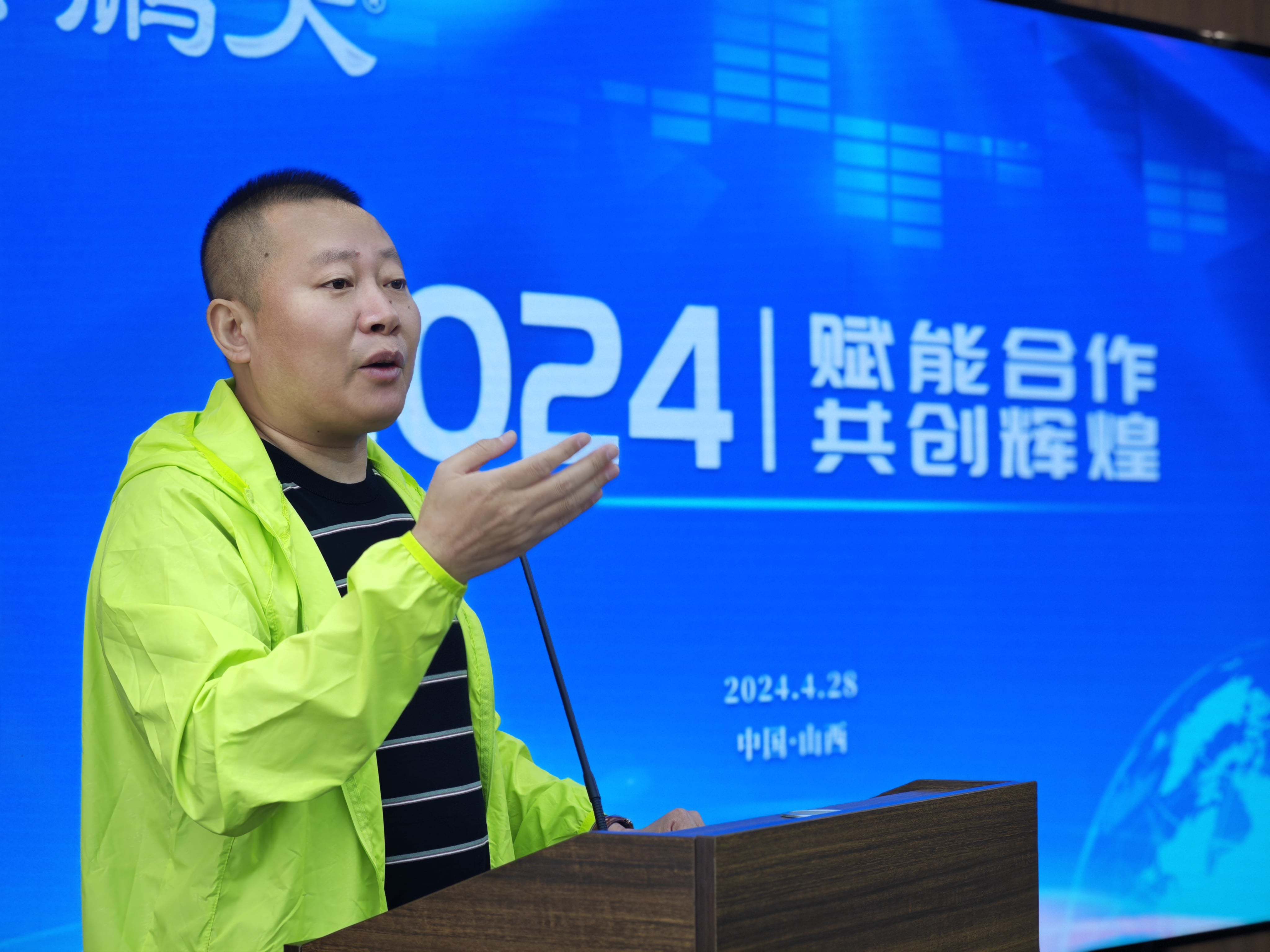
As a leading enterprise in the domestic adhesive industry, Pengda Group, with its large-scale layout of 9 production bases and the collaborative efforts of more than 1800 employees, has exported its products to more than 30 countries and regions around the world. In the fierce market competition, the company has always adhered to the core cultural concept of "innovation, responsibility, and win-win", deeply integrating technological breakthroughs with humanistic care, and creating a business card that combines international competitiveness and warmth.
Apr 03,2025
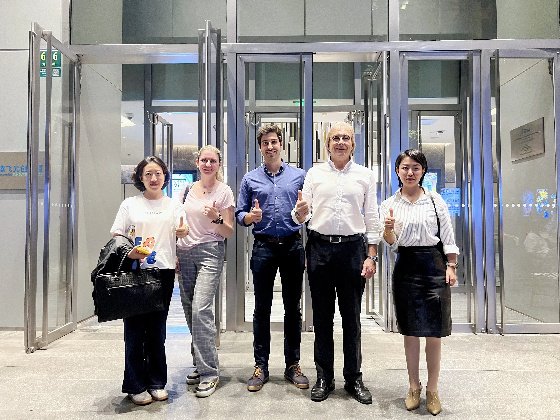
British Buyers Visit Pengda's Guangzhou Factory
Recently, British buyers arrived in Guangzhou to visit local factories. During the visit, the purchaser went deep into the workshop to understand the whole process of the product from raw material input to finished product output, and was deeply impressed by the advanced production equipment, mature process technology and strict quality control of the Guangzhou factory.
The two sides also exchanged views on product features, market demand and cooperation models. This visit has built a bridge of communication between China and the UK, which is expected to further expand the space of trade cooperation and promote Pengda Group to a broader international market.
Mar 28,2025

Pengda Group President Attends Vietnam Annual Meeting to Explore Future Cooperation
General Manager Luo of Pengda Group attended the annual meeting in Vietnam. At the annual meeting, Mr. Luo had in-depth exchanges with many guests. As a professional manufacturer of silicone sealants, Pengda Group has a considerable influence in the industry with its advanced technology and reliable quality. Mr. Luo's participation in this event aims to enhance cooperation with local enterprises in Vietnam and expand the international market. General Manager Luo shared the development achievements and plans of the group and expressed the expectation of deepening cooperation and achieving a win-win situation. This attendance demonstrates Pengda Group's determination to internationalize its layout and is expected to drive the group to achieve new breakthroughs in overseas markets, injecting new impetus into exchanges and cooperation in related industries between China and Vietnam.
Feb 04,2025
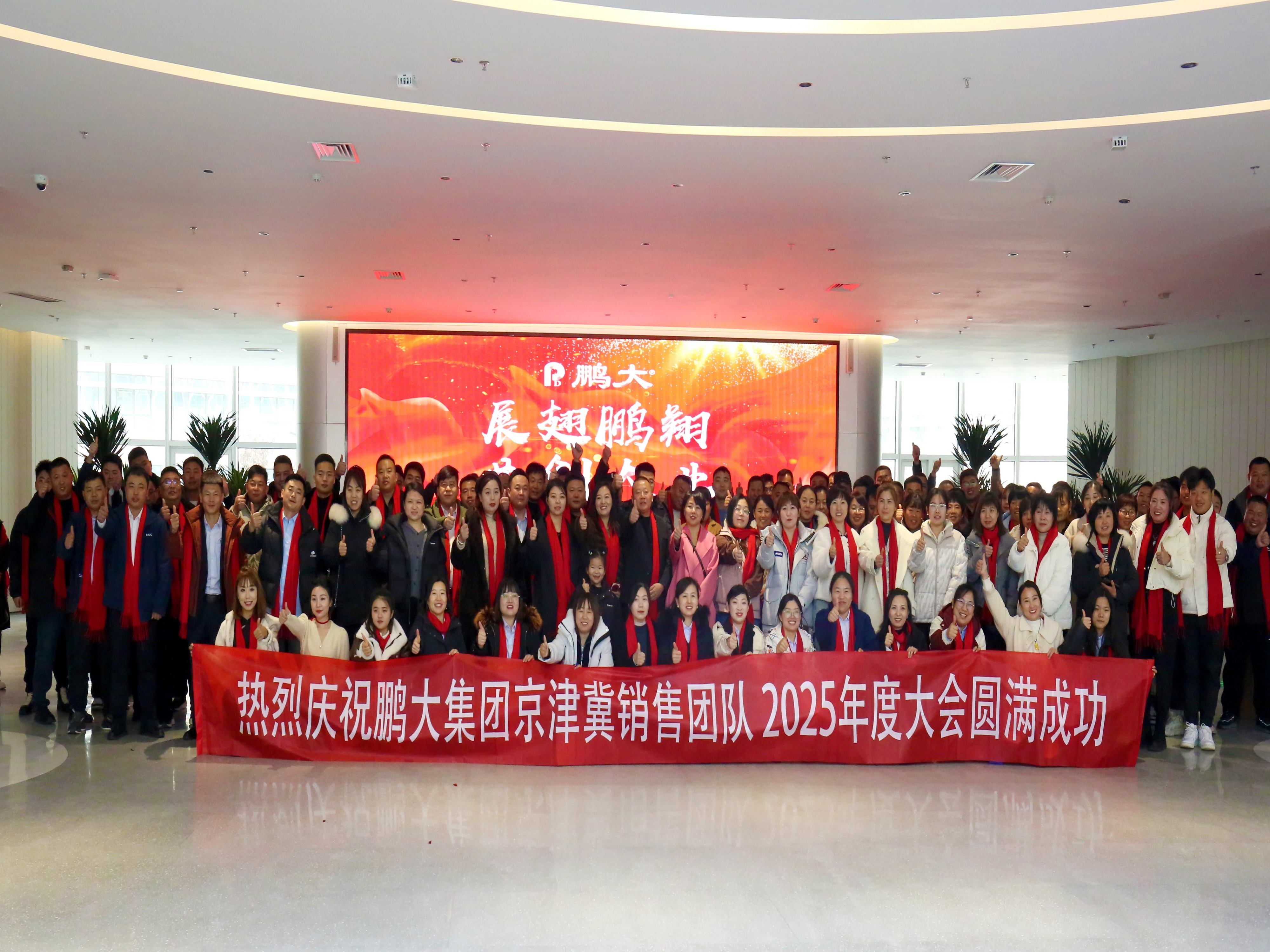
On January 18, 2025, the Pengda Group's annual conference with the theme of "Joining Hands and Starting a New Chapter Together" was grandly held at the [City] International Convention Center. More than 1800 employee representatives, partners, and industry guests from 9 global production bases gathered together to review the brilliant achievements of 2024 and look forward to the strategic blueprint for 2025. This year's conference created an audio-visual feast that blends technology and humanistic warmth through the form of "offline ceremony+global live broadcast".
Jan 15,2025
Contact Us
Tel: +86-13393128877
E-mail: amy.ma@pengdagroup.com
Add: Room 1906, Building A2, Wisdom Valley, Baoding, Hebei, China
We Support Customization
