

Breaking Down the Chemistry Behind Acetic Silicone Sealant Performance

2025/09/08
Breaking Down the Chemistry Behind Acetic Silicone Sealant Performance
Table of Contents
- Introduction to Acetic Silicone Sealants
- Chemical Composition of Acetic Silicone Sealants
- Understanding the Mechanism of Cure
- Key Performance Characteristics of Acetic Silicone Sealants
- Applications of Acetic Silicone Sealants
- Benefits of Using Acetic Silicone Sealants
- Limitations of Acetic Silicone Sealants
- Safety Considerations When Using Acetic Silicone Sealants
- Conclusion
- Frequently Asked Questions
Introduction to Acetic Silicone Sealants
Acetic silicone sealants have become a staple in various industries due to their unique properties and versatility. These sealants are primarily used for sealing joints and gaps in construction, automotive, and manufacturing applications. Understanding the chemistry behind acetic silicone sealants is crucial for professionals seeking optimal performance in their projects. This article delves into the intricate chemical composition, curing mechanisms, performance characteristics, and practical applications of these sealants.
Chemical Composition of Acetic Silicone Sealants
Acetic silicone sealants are composed mainly of polydimethylsiloxane (PDMS), a silicone polymer known for its excellent flexibility and durability. These sealants also contain various additives to enhance their properties. The chemical structure of PDMS is characterized by repeating units of siloxane (Si-O) bonds, which contribute to the material’s unique characteristics.
Key Components of Acetic Silicone Sealants
1. **Silicone Polymer:** The backbone of acetic silicone sealants, providing flexibility and resistance to extreme temperatures and UV light.
2. **Acetic Acid:** Acts as a curing agent and influences the performance characteristics of the sealant. This component is responsible for the sealant's characteristic odor during application.
3. **Fillers:** These materials enhance the mechanical properties and reduce costs. Common fillers include silica and titanium dioxide.
4. **Additives:** Various additives are included to improve adhesion, weather resistance, and curing speed.
Understanding the Mechanism of Cure
The curing mechanism of acetic silicone sealants involves a process known as acetoxy curing. This process occurs when the sealant is exposed to moisture in the air, initiating a chemical reaction that transforms the sealant from a paste to a fully cured elastomer.
The Curing Process
1. **Moisture Absorption:** As the acetic silicone sealant is exposed to air, it absorbs moisture.
2. **Hydrolysis Reaction:** The presence of moisture triggers a hydrolysis reaction, where the silanol groups (Si-OH) are formed.
3. **Condensation Reaction:** The formed silanol groups undergo a condensation reaction, releasing acetic acid and creating siloxane bonds (Si-O-Si).
4. **Formation of Elastomer:** This process continues until the entire sealant is cured, creating a flexible and durable elastomeric material.
Key Performance Characteristics of Acetic Silicone Sealants
Acetic silicone sealants exhibit several performance characteristics that make them suitable for various applications.
1. Excellent Adhesion
These sealants bond well to a range of substrates, including glass, metal, and ceramics, making them ideal for both indoor and outdoor applications.
2. Weather Resistance
Acetic silicone sealants are resistant to UV light, moisture, and temperature fluctuations, ensuring longevity even in harsh environments.
3. Flexibility and Elasticity
The inherent flexibility of acetic silicone sealants allows them to accommodate movement in joint areas without cracking or losing adhesion.
4. Chemical Resistance
These sealants can withstand exposure to a variety of chemicals, making them suitable for industrial applications.
Applications of Acetic Silicone Sealants
Acetic silicone sealants find application in numerous industries due to their versatile nature.
1. Construction Industry
Used for sealing windows, doors, and roofs, acetic silicone sealants provide essential weatherproofing and structural integrity.
2. Automotive Sector
In automotive applications, these sealants are used for bonding windshields, sealing engine components, and providing sound dampening.
3. Electronics
Acetic silicone sealants protect electronic components from moisture and dust, ensuring reliable performance.
4. Manufacturing
In manufacturing processes, these sealants are employed for assembly applications and in machinery where movement and vibration are common.
Benefits of Using Acetic Silicone Sealants
The advantages of acetic silicone sealants make them a go-to choice for various applications.
1. Quick Curing Time
Acetic silicone sealants cure relatively quickly, allowing for faster project completion and reduced downtime.
2. Versatile Use
Their ability to adhere to multiple substrates makes them suitable for a wide range of applications across different industries.
3. Durable Performance
With their long-lasting properties, acetic silicone sealants provide reliable sealing solutions that withstand environmental challenges.
4. Cost-Effectiveness
Given their performance characteristics, acetic silicone sealants often represent a cost-effective solution over time, reducing the need for frequent replacements.
Limitations of Acetic Silicone Sealants
Despite their many advantages, acetic silicone sealants come with some limitations that users should consider.
1. Odor During Curing
The acetic acid released during the curing process can be unpleasant and may require adequate ventilation during application.
2. Not Suitable for All Materials
These sealants may not bond well with certain substrates, such as polyethylene and polypropylene, which require alternative sealant solutions.
3. Limited Paintability
Acetic silicone sealants generally cannot be painted over, which can limit their aesthetic applications.
Safety Considerations When Using Acetic Silicone Sealants
When working with acetic silicone sealants, several safety considerations should be taken into account.
1. Ventilation
Ensure proper ventilation to avoid inhaling the fumes released during curing, as they can be irritating to the respiratory system.
2. Skin Contact
Avoid direct skin contact with the sealant. If contact occurs, wash the area thoroughly with soap and water.
3. Storage and Disposal
Store sealants in a cool, dry place and follow local regulations for disposal to ensure environmental safety.
Conclusion
Understanding the chemistry behind acetic silicone sealants is essential for maximizing their performance in various applications. With their unique chemical composition, curing mechanisms, and outstanding performance characteristics, these sealants continue to be a preferred choice in construction, automotive, and manufacturing industries. By recognizing their benefits and limitations, professionals can make informed decisions, ensuring efficient and effective sealing solutions to meet their specific needs.
Frequently Asked Questions
1. What is acetic silicone sealant used for?
Acetic silicone sealants are primarily used for sealing joints and gaps in construction, automotive applications, and electronic devices due to their excellent adhesion and weather resistance.
2. How long does it take for acetic silicone sealant to cure?
Curing time may vary based on environmental conditions, but acetic silicone sealants generally cure within 24 hours.
3. Can acetic silicone sealant be painted over?
No, acetic silicone sealants typically cannot be painted over, as the paint will not adhere properly to the cured silicone.
4. Is acetic silicone sealant waterproof?
Yes, once cured, acetic silicone sealants are waterproof and can withstand exposure to moisture and environmental conditions.
5. Are there any health risks associated with using acetic silicone sealants?
While generally safe, acetic silicone sealants can release fumes during curing, which can be irritating. It is advisable to use them in well-ventilated areas and follow safety guidelines.
acetic silicone sealant
Recent News
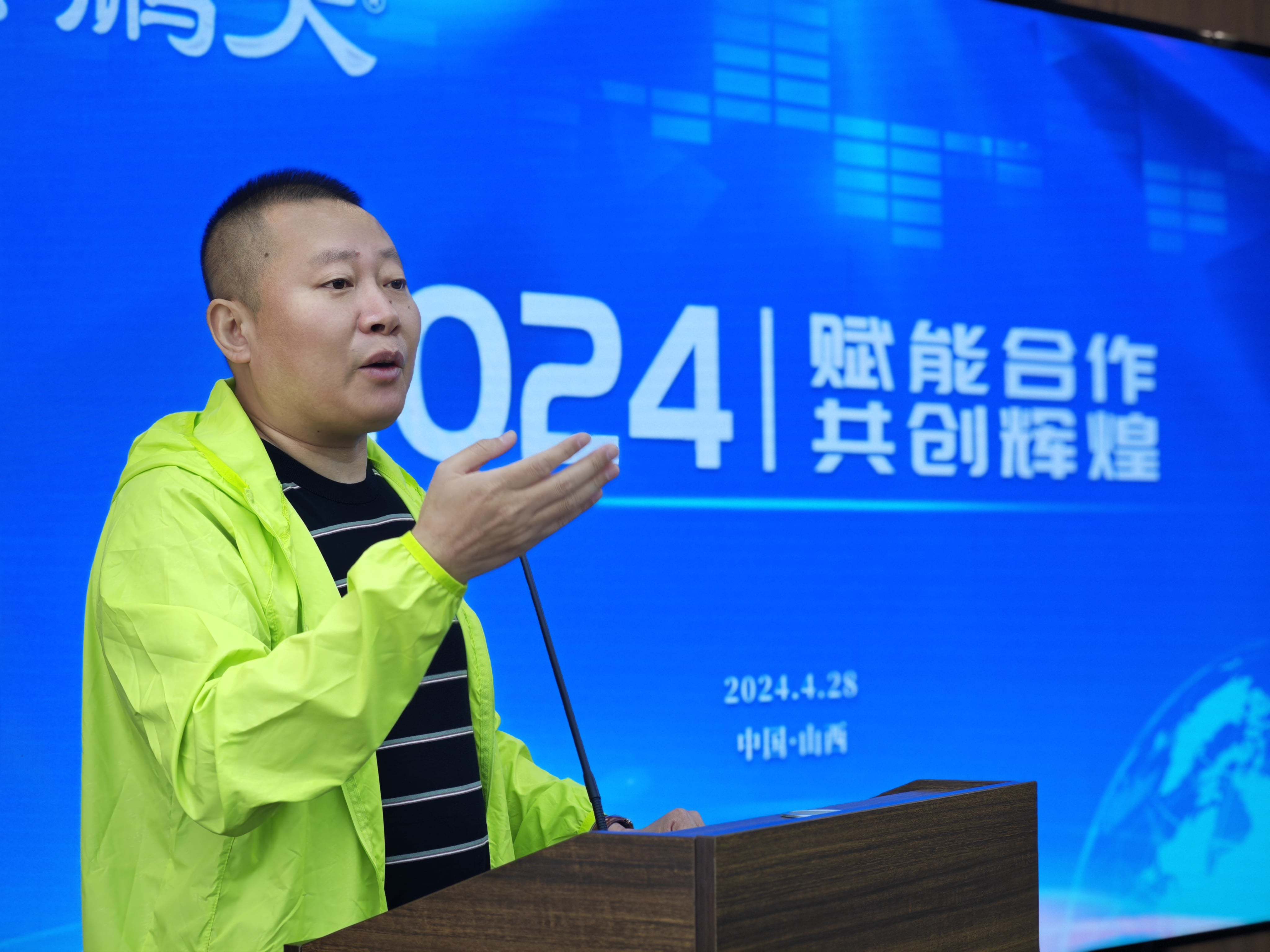
As a leading enterprise in the domestic adhesive industry, Pengda Group, with its large-scale layout of 9 production bases and the collaborative efforts of more than 1800 employees, has exported its products to more than 30 countries and regions around the world. In the fierce market competition, the company has always adhered to the core cultural concept of "innovation, responsibility, and win-win", deeply integrating technological breakthroughs with humanistic care, and creating a business card that combines international competitiveness and warmth.
Apr 03,2025
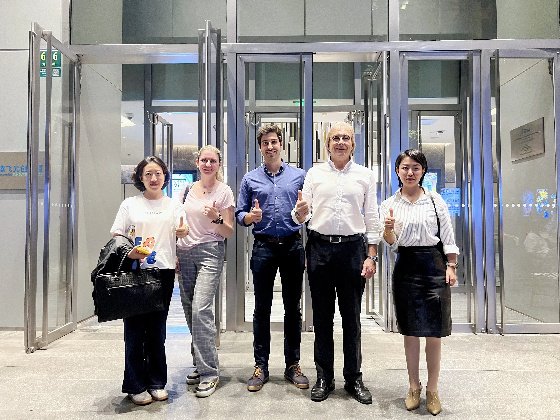
British Buyers Visit Pengda's Guangzhou Factory
Recently, British buyers arrived in Guangzhou to visit local factories. During the visit, the purchaser went deep into the workshop to understand the whole process of the product from raw material input to finished product output, and was deeply impressed by the advanced production equipment, mature process technology and strict quality control of the Guangzhou factory.
The two sides also exchanged views on product features, market demand and cooperation models. This visit has built a bridge of communication between China and the UK, which is expected to further expand the space of trade cooperation and promote Pengda Group to a broader international market.
Mar 28,2025

Pengda Group President Attends Vietnam Annual Meeting to Explore Future Cooperation
General Manager Luo of Pengda Group attended the annual meeting in Vietnam. At the annual meeting, Mr. Luo had in-depth exchanges with many guests. As a professional manufacturer of silicone sealants, Pengda Group has a considerable influence in the industry with its advanced technology and reliable quality. Mr. Luo's participation in this event aims to enhance cooperation with local enterprises in Vietnam and expand the international market. General Manager Luo shared the development achievements and plans of the group and expressed the expectation of deepening cooperation and achieving a win-win situation. This attendance demonstrates Pengda Group's determination to internationalize its layout and is expected to drive the group to achieve new breakthroughs in overseas markets, injecting new impetus into exchanges and cooperation in related industries between China and Vietnam.
Feb 04,2025
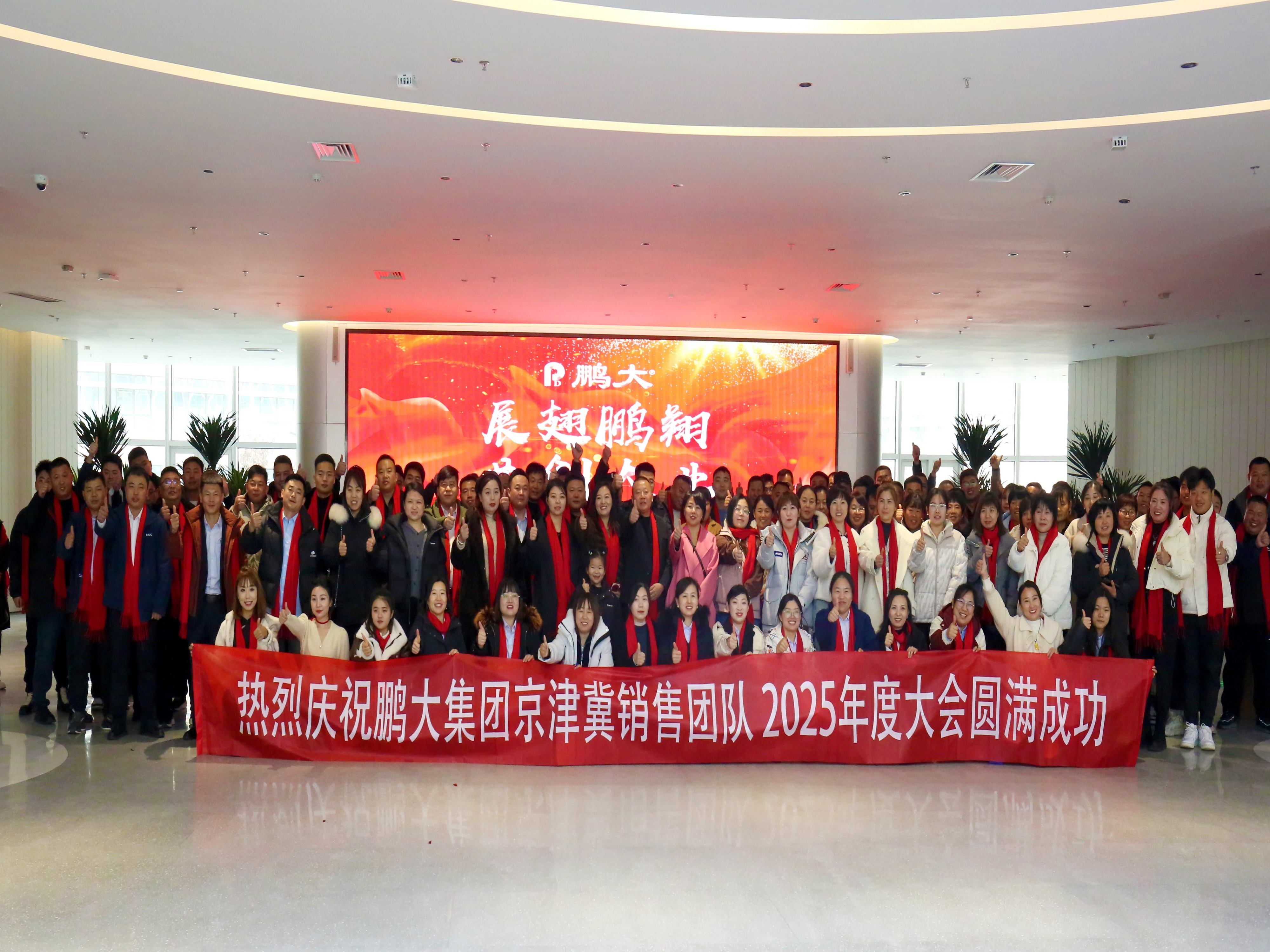
On January 18, 2025, the Pengda Group's annual conference with the theme of "Joining Hands and Starting a New Chapter Together" was grandly held at the [City] International Convention Center. More than 1800 employee representatives, partners, and industry guests from 9 global production bases gathered together to review the brilliant achievements of 2024 and look forward to the strategic blueprint for 2025. This year's conference created an audio-visual feast that blends technology and humanistic warmth through the form of "offline ceremony+global live broadcast".
Jan 15,2025
Contact Us
Tel: +86-13393128877
E-mail: amy.ma@pengdagroup.com
Add: Room 1906, Building A2, Wisdom Valley, Baoding, Hebei, China
We Support Customization
